
Introduction
A B2B marketing firm specializes in helping businesses sell products and services to other businesses through strategic marketing programs designed for complex buying processes. These firms play a crucial role in establishing, developing, and transforming B2B brands, positioning them for industry leadership, growth, and market differentiation. For St. Louis companies navigating the region’s manufacturing, healthcare, logistics, and professional services sectors, partnering with the right agency can mean the difference between stagnant pipelines and sustainable growth.
This guide covers the full spectrum of B2B marketing services available from St. Louis firms, including lead generation, content marketing, digital advertising, and account-based marketing. Growth marketing is also a key offering, providing a data-driven, agile approach that enables rapid business expansion and supports scalable results. It does not address consumer-focused marketing strategies or national agency networks that lack local market expertise. The content is designed for St. Louis business owners, marketing directors, and executives actively seeking specialized B2B marketing partners who understand Midwest business culture and regional economic dynamics.
A B2B marketing firm is an agency that creates and executes marketing strategies specifically for companies selling to other businesses, addressing long sales cycles, multiple stakeholders, and ROI-driven decision makers. St. Louis companies choose local B2B marketing partners because they bring deep understanding of the regional economy, established relationships with local business networks, and proven methodology for generating qualified leads in relationship-driven Midwest markets. Integrated marketing capabilities are essential for B2B marketing agencies to drive measurable results across multiple channels.
By the end of this guide, you will understand:
- Core capabilities and service offerings of St. Louis B2B marketing firms
- Key criteria for evaluating and selecting the right agency partner
- Local market advantages that drive measurable results for regional businesses
- How to structure a partnership that delivers pipeline growth and real growth
- Immediate next steps to begin your search for a B2B marketing partner
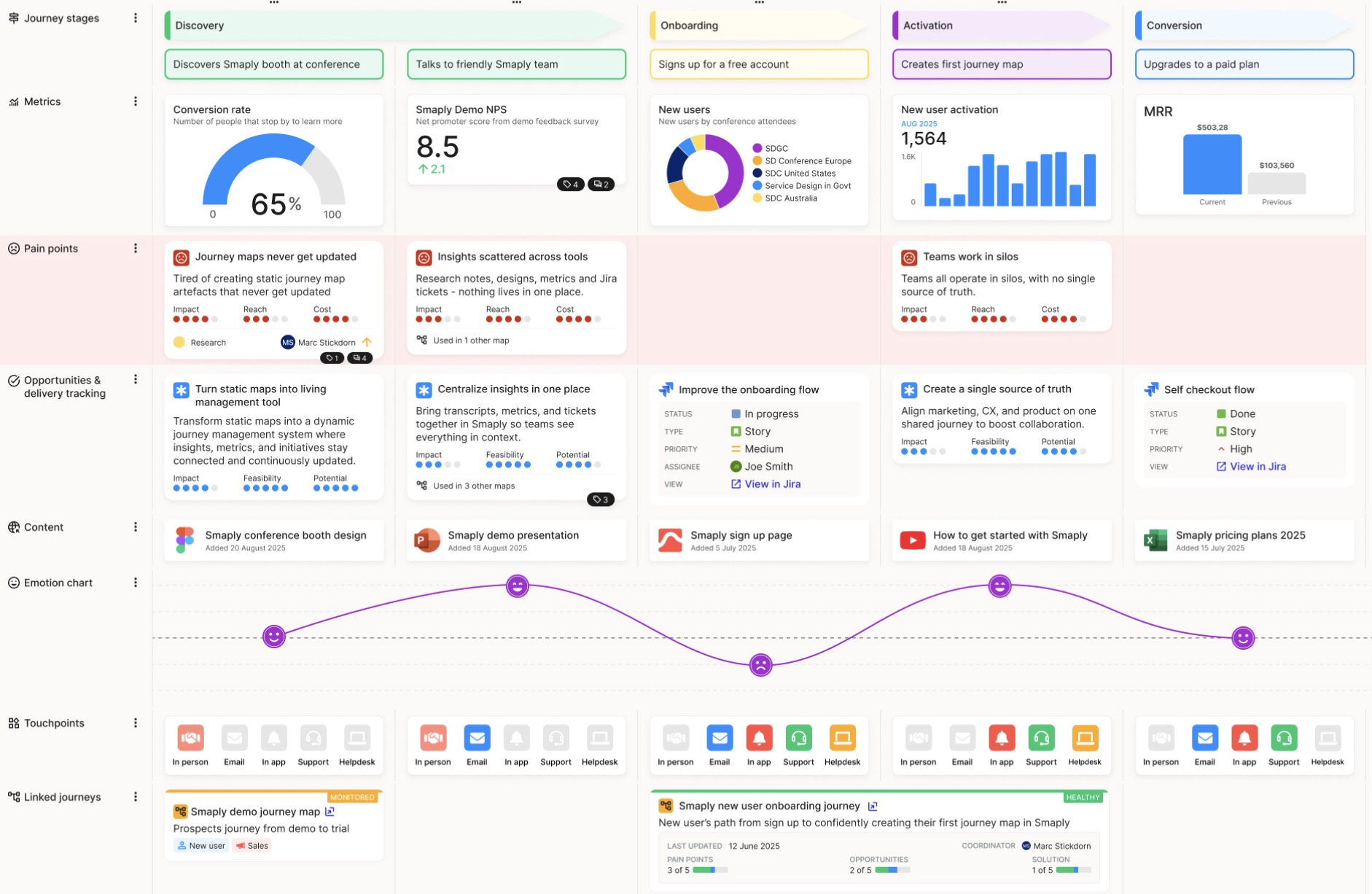
Understanding the Buyer Journey
In B2B marketing, understanding the buyer journey is fundamental to building strategies that drive measurable business growth and generate qualified leads. The buyer journey refers to the path potential customers take from initial awareness of a solution to final purchase, and in the B2B space, this journey is often lengthy and involves multiple stakeholders and decision makers. Each stage, awareness, consideration, and decision, presents unique challenges and opportunities for marketing efforts.
A deep understanding of the buyer journey allows B2B marketing agencies to develop data-driven strategies that align with the specific needs, motivations, and pain points of their target audience. By leveraging data and insights, agencies can identify where potential customers are in their journey and deliver the right marketing assets at the right time. This might include educational content marketing to build brand authority during the awareness stage, targeted paid media campaigns on major platforms to reach audiences in the consideration phase, and personalized messaging to support conversion rates as decision makers evaluate service offerings.
Because B2B sales cycles are often long and involve multiple layers of approval, agencies must focus on generating qualified leads and nurturing them through the entire pipeline. This requires marketing programs that are not only creative but also measurable, ensuring that every touchpoint contributes to real growth and sustainable outcomes. By tracking engagement and leveraging data-driven insights, agencies can continuously refine their go-to-market strategies, optimize marketing channels, and demonstrate measurable results that align with business goals.
Collaboration between the agency and client is essential for success. Agencies must work closely with clients to understand their unique business goals, service offerings, and target audience, ensuring that marketing efforts are tailored to drive pipeline growth and deliver measurable impact. This collaborative approach enables both parties to stay ahead of market trends, adapt to changing buyer behaviors, and achieve sustainable growth.
Ultimately, a deep understanding of the buyer journey empowers B2B marketing agencies to build strategies that not only generate qualified leads but also drive real business growth. By focusing on measurable outcomes, leveraging data, and maintaining a collaborative partnership, agencies can help clients achieve long-term success in competitive markets.
Understanding B2B Marketing Firms
A B2B marketing firm is an organization dedicated to helping businesses reach audiences of other businesses through targeted marketing efforts. Unlike general marketing agencies that may spread focus across consumer campaigns and brand awareness, B2B-focused firms build strategies around the specific challenges of selling to companies: extended buying cycles, committee-based decisions, and the need for data driven insights that prove ROI to multiple stakeholders.
For St. Louis businesses, these firms offer particular relevance. The regional economy features dominant sectors like manufacturing, healthcare, logistics, and professional services, all characterized by complex supply chains and enterprise purchasing processes. Local B2B marketing agencies understand how to position your value proposition for procurement teams, IT directors, and C-suite executives within this specific business landscape.
Core Services and Capabilities
B2B marketing firms provide a comprehensive range of marketing services tailored to business-to-business sales environments. Core capabilities typically include market research, content creation, digital marketing, search engine optimization, paid media management, and marketing automation. Many firms also offer web development, branding and digital marketing services, brand authority building, and strategic consulting to align marketing programs with broader business goals.
These services address specific business challenges that St. Louis companies face when competing for contracts with local enterprises. For instance, a manufacturer targeting automotive suppliers needs marketing assets that communicate technical specifications while building trust through thought leadership, a different approach than consumer-focused campaigns require.
Difference from General Marketing Agencies
The distinction between B2B marketing firms and general marketing agencies centers on specialization. General agencies often excel at brand campaigns, retail promotions, and broad awareness efforts. B2B firms, by contrast, focus on generating qualified leads, nurturing potential customers through lengthy buyer journeys, and supporting sales teams in closing complex deals.
This specialized focus matters because B2B buying processes involve decision makers who evaluate solutions rationally, often taking 6-12 months to reach purchase decisions. A marketing agency with deep expertise in B2B environments understands how to create content that educates buying committees, how to leverage data for account targeting, and how to measure success through revenue attribution rather than just impressions.
Understanding these foundational differences prepares you to evaluate the specific marketing services that drive growth for B2B companies.
Essential B2B Marketing Services
With a clear understanding of what distinguishes B2B marketing firms, it’s worth examining the specific service offerings that deliver measurable impact for St. Louis businesses. These services work together as interconnected components of a comprehensive go to market strategy.
Lead Generation and Demand Generation
Lead generation encompasses the tactics and marketing channels used to identify and capture interest from potential customers, with a focus on building targeted customer relationships and enhancing the customer experience. For St. Louis B2B companies, this often includes targeted LinkedIn campaigns reaching the metro area’s 2.8 million professionals, SEO strategies optimized for local search intent, and content marketing programs that attract decision makers researching solutions. Demand generation in B2B marketing focuses on creating interest and generating qualified leads through various strategies.
Demand generation takes a broader view, creating awareness and interest before prospects actively enter buying mode. Effective demand generation combines thought leadership content, digital advertising on major platforms, and strategic PR to establish brand authority within specific industries. Lead generation and nurturing in B2B involves using content marketing, white papers, and webinars to build trust and educate decision-makers. Local agencies report that focused digital tactics can yield significant increases in form submissions, some achieving 400-500% growth within 90 days through combined SEO and paid media efforts.
B2B marketers utilize data to identify key decision-makers and implement strategies that generate qualified leads, increasingly incorporating AI-driven SEO and generative engine optimization to ensure prospects can discover their solutions across emerging search experiences.
Content Marketing and Thought Leadership
Content marketing involves creating valuable marketing assets that educate and engage potential customers throughout their buyer journey. For B2B companies in St. Louis, this typically means white papers addressing industry challenges, case studies demonstrating local success stories, and technical content that positions your company as a trusted resource.
Content strategy connects directly to lead generation by providing the substance that attracts and converts website visitors. St. Louis healthcare B2B campaigns, for example, achieve email open rates of 25-30%, higher than the national 20% average, when content teams produce industry-specific material that resonates with local audiences. This demonstrates how relevant content creation drives measurable outcomes when aligned with target audience needs.
Digital Advertising and Account-Based Marketing
Digital advertising for B2B encompasses paid media campaigns on platforms like LinkedIn, Google, and industry-specific networks. Partnering with a St. Louis advertising agency focused on integrated campaigns helps ensure that this spend is strategically allocated. St. Louis B2B digital ad spend reached $45 million in 2025, reflecting growing recognition that targeted digital campaigns deliver higher conversion rates than broad awareness advertising.
Account-based marketing (ABM) represents an advanced approach where marketing efforts focus on specific high-value accounts. St. Louis agencies treating targets like Anheuser-Busch suppliers or World Wide Technology partners as individual markets report win rates 20-30% above traditional demand generation. This strategy proves particularly effective for companies with long sales cycles and enterprise-level deal values.
Together, these services create a comprehensive marketing foundation that can be tailored to specific industries and business goals. The next consideration is selecting the firm that can execute these services most effectively for your situation.
Choosing the Right B2B Marketing Firm in St. Louis
Finding the right agency partner requires systematic evaluation based on your specific needs and the firm’s demonstrated capabilities. This selection process directly impacts whether your marketing investment drives business growth or produces disappointing results.
Evaluation Process
A structured approach ensures you identify partners with the experience and collaborative approach necessary for success:
- Assess your current marketing challenges and goals: Document your pipeline gaps, target industries, and specific measurable results you need to achieve within defined timeframes.
- Research St. Louis firms with relevant industry experience: Focus on agencies with proven track records in your sector, manufacturing, healthcare, logistics, or professional services, and evidence of local market expertise.
- Evaluate case studies and client testimonials: Look for documented examples of pipeline growth, conversion rates improvement, and revenue attribution from campaigns similar to what you need.
- Interview potential partners and assess cultural fit: Meet with the team members who would work on your account to evaluate their deep understanding of B2B environments and collaborative approach.
- Review proposals and establish clear success metrics: Ensure proposals include specific, measurable outcomes and reporting frameworks that demonstrate continuous improvement over time.
Key Evaluation Criteria
| Criterion | Why It Matters | What to Look For |
|---|---|---|
| Industry Experience | B2B marketing varies significantly across industries | Case studies from your sector, knowledge of industry-specific sales cycles |
| Local Market Knowledge | St. Louis business networks drive referrals and partnerships | Client roster including regional companies, involvement in local business organizations |
| Technology Stack | Modern marketing requires integrated tools and data capabilities | Proficiency with marketing automation platforms, CRM integration, analytics tools |
| Reporting Capabilities | Data driven marketing requires transparent measurement | Clear attribution models, regular reporting schedules, defined KPIs |
| Team Expertise | Your results depend on the people doing the work | Meet actual team members, review credentials, assess strategic thinking |
When evaluating these criteria, prioritize firms that demonstrate both strategic capability and practical execution experience. The strongest partnerships emerge from agencies that understand your market trends, often informed by resources like a St. Louis marketing landscape report on digital transformation and local dynamics, and can stay ahead of competitive pressures while delivering measurable results.
This evaluation framework helps you identify qualified partners, but understanding common partnership challenges prepares you to avoid pitfalls.
Common Challenges and Solutions
Limited Local Expertise
Some agencies claim regional capability without genuine understanding of St. Louis business dynamics. The solution involves verifying local client relationships, asking for references from St. Louis companies, and evaluating whether the agency participates in regional business organizations like the St. Louis Regional Chamber. Firms with established networks among the area’s 2,500+ member companies typically demonstrate the market knowledge necessary to maximize results.
Unclear ROI Expectations
B2B marketing investments sometimes suffer from vague success definitions, making it difficult to evaluate agency performance. Establish specific metrics before engagement begins: define target pipeline growth percentages, lead quality criteria, and revenue attribution models. St. Louis agencies using platforms like HubSpot and Google Analytics (prevalent in 70% of local firms) can provide detailed reporting that connects marketing activities to sales outcomes.
Communication and Alignment Issues
Extended B2B sales cycles require ongoing coordination between marketing teams and sales organizations. Address this by establishing regular check-in schedules, shared dashboards for pipeline visibility, and clear escalation processes for strategic adjustments. The most successful partnerships involve agencies that function as extensions of your internal team rather than external vendors.
These solutions position your partnership for success from the outset, creating a foundation for drive measurable results over time.
Conclusion and Next Steps
Selecting the right B2B marketing firm in St. Louis requires understanding both your specific needs and the capabilities of available partners. The firms best positioned to drive growth combine specialized B2B expertise with deep knowledge of regional market dynamics, leveraging data and proven methodology to generate qualified leads and build pipeline.
To begin your search effectively:
- Conduct an internal audit of your current marketing programs, identifying gaps in lead generation, content marketing, or digital advertising
- Research St. Louis B2B marketing firms with experience in your industry using local business directories and the Regional Chamber network
- Schedule consultations with 3-5 qualified agencies to evaluate their approach, team expertise, and cultural fit
As you move forward with a selected partner, focus on establishing clear communication rhythms, defining measurable goals, and maintaining the collaborative approach necessary for long-term success. Effective partnerships evolve over time, with regular strategy reviews ensuring alignment between marketing efforts and business goals.
Additional Resources
- St. Louis Regional Chamber business directory for networking and agency verification
- Local business publications including St. Louis Business Journal for industry insights and market trends
- B2B marketing performance benchmarks from HubSpot and LinkedIn for establishing realistic expectations
- Industry events at America’s Center Convention Complex for networking with potential agency partners and learning about emerging marketing strategies